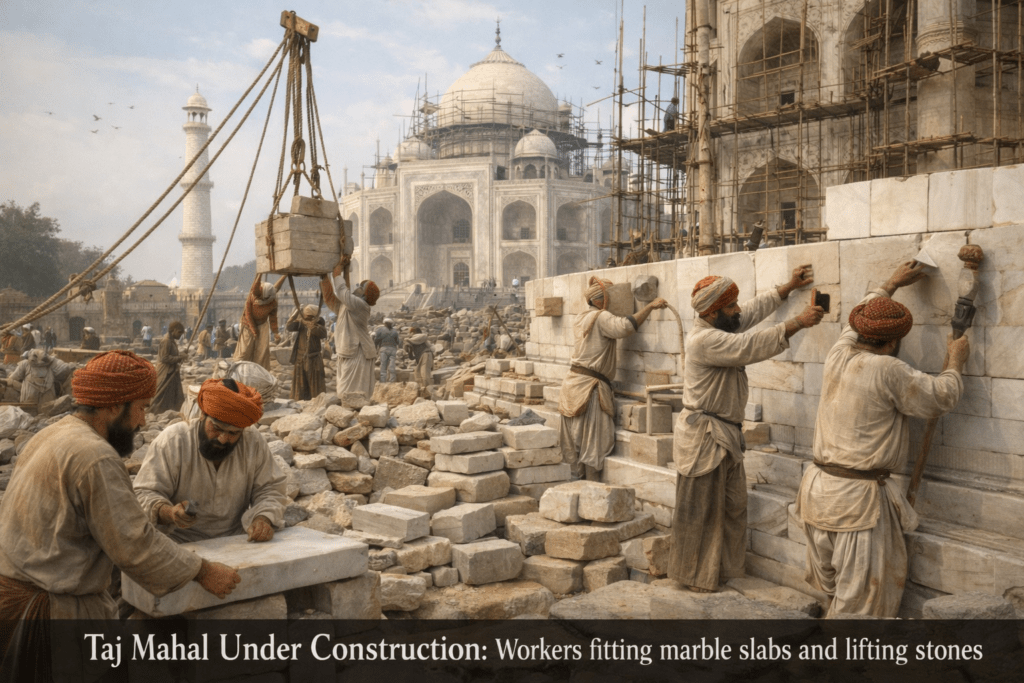
- During the period of the Taj Mahal’s construction in the mid-17th century
- Marketing and promotional strategies were markedly different from contemporary practices.
- Instead of modern advertising channels, artisans, rulers, and merchants relied on a combination
- like social influence, symbolism, and cultural prestige to promote their work and status
During the period of the Taj Mahal’s construction in the mid-17th century, marketing and promotional strategies were markedly different from contemporary practices. Instead of modern advertising channels, artisans, rulers, and merchants relied on a combination of social influence, symbolism, and cultural prestige to promote their work and status.
Patronage and Royal Endorsement
A primary method of promotion involved royal patronage. The Mughal emperor Shah Jahan’s sponsorship of the Taj Mahal served as a testament to his power and devotion. Such endorsement elevated the project’s prestige, attracting skilled artisans and craftsmen from across the empire. The association with royalty acted as a form of endorsement that implicitly marketed the monument’s grandeur and significance.
Symbolism and Cultural Significance
The Taj Mahal was designed not only as a mausoleum but also as a symbol of eternal love and divine beauty. Its intricate architecture, symbolic motifs, and harmonious proportions communicated messages that transcended words. This cultural symbolism functioned as a form of indirect marketing, inspiring admiration and reverence among viewers and reinforcing the emperor’s legacy.
Word-of-Mouth and Artistic Reputation
Artisans and architects involved in the construction relied heavily on reputation within court circles and among influential patrons. Their skillful craftsmanship was showcased through the monument’s exquisite details, which served as a testament to their expertise. Such reputation-building was crucial for attracting future commissions and maintaining social standing.
Use of Public Spaces for Demonstration
Although formal advertising did not exist, public displays of craftsmanship—such as showcasing intricate marble inlay work or calligraphy—served as demonstrations of artistic mastery. These displays attracted attention from visitors, scholars, and potential patrons who appreciated high-quality craftsmanship.
Cultural Festivals and Events
Festivals, religious ceremonies, and courtly gatherings often provided opportunities to display artistic achievements associated with projects like the Taj Mahal. These events reinforced cultural values and celebrated artistic excellence, indirectly promoting the artisans’ skills and the grandeur of Mughal architecture.
Conclusion
In an era devoid of modern advertising tools, ancient techniques such as royal patronage, symbolic messaging, reputation among peers, public demonstrations of skill, and cultural celebrations played vital roles in promoting monumental projects like the Taj Mahal. These methods fostered admiration, reinforced prestige, and ensured that such masterpieces remained enduring symbols of cultural identity.